
Posted by Alli Boughner on Oct 7th 2026
FDA PMTA Reform 2026: Faster Reviews and Adult Vape Access
For years, vape businesses and adult consumers have faced the same question: when will the federal review process produce a marketplace that reflects the products adults actually use to move away from cigarettes?
FDA is now discussing changes that could help answer it. The agency has announced a review of its Premarket Tobacco Product Application, or PMTA, framework. Its tobacco center director, Bret Koplow, is also describing how clearer requirements, more scientific review capacity, and better communication with applicants could improve the process.
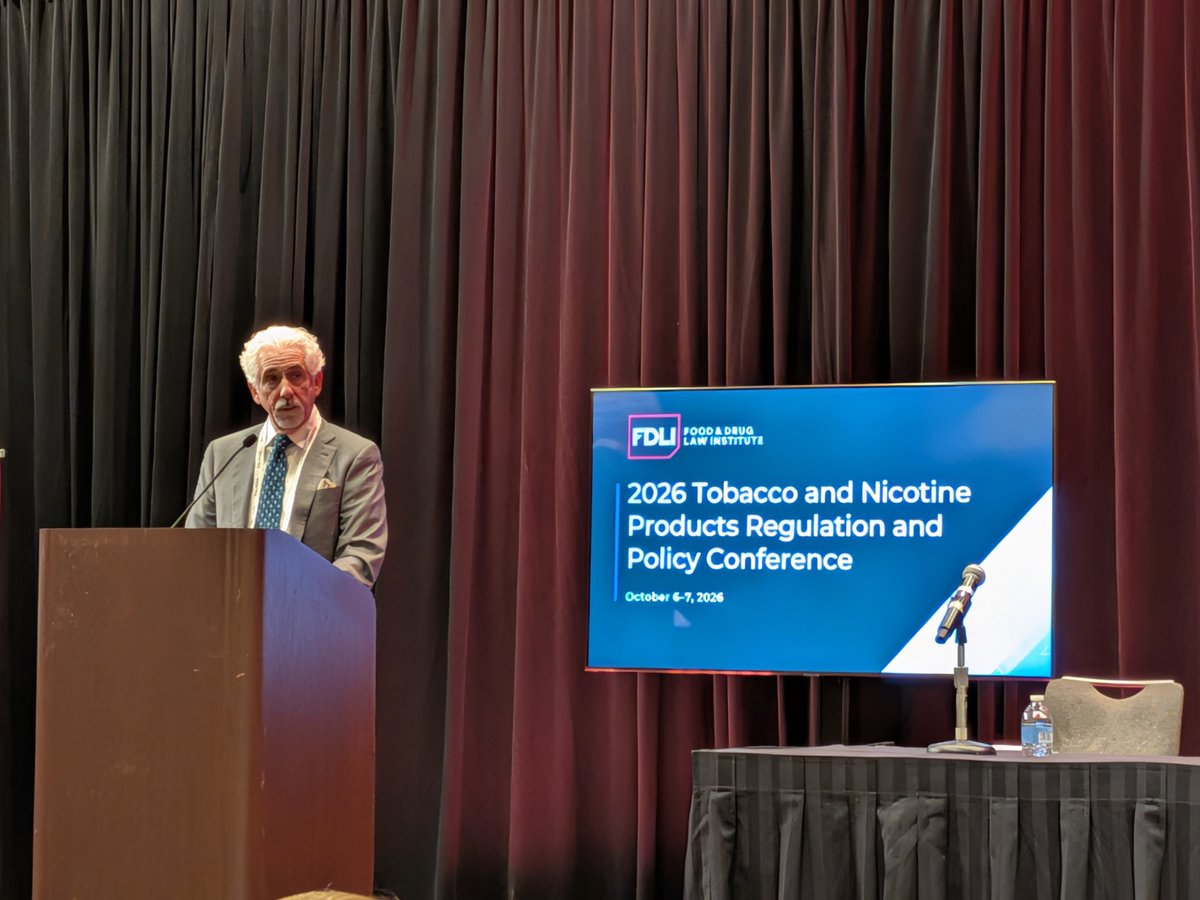
His October 6 remarks at the Food and Drug Law Institute’s tobacco and nicotine conference add detail to that discussion. Together with his recent New Approaches Summit and Global Tobacco and Nicotine Forum appearances, they point toward a broader effort to connect product regulation with tobacco harm reduction.
For Mi-Pod customers, the development deserves attention. But the measure of success will be what happens to applications, product availability, and the businesses waiting for decisions.
FDA Is Reconsidering the Process, While the Law Still Applies
In its September 28 announcement, FDA said it intends to evaluate changes to the PMTA framework, including possible rulemaking to replace the current framework.
The agency cited experience with the 2021 rule, new product development, the unauthorized market, and judicial developments. That is an acknowledgment that the process needs to be examined against the marketplace it is supposed to regulate.
It is also a starting point. FDA has not announced a completed replacement rule or suspended its existing review responsibilities. It will continue reviewing applications under the statutory “appropriate for the protection of the public health,” or APPH, standard. Future framework changes will include opportunities for public input.
For retailers and distributors, a reform announcement does not change an individual product’s authorization status.
A Smaller Backlog Is Only Part of the Answer
According to the FDLI reporting, Koplow said pending applications have declined by approximately 70% since the beginning of 2025, while the acceptance-review backlog has fallen by more than 99%.
Those numbers describe progress in processing applications. They do not tell us how many products received authorization or how long a complete application now waits for a final decision.
Acceptance review is an initial completeness check. It is different from substantive scientific review and from a marketing granted order.
That distinction matters to businesses. Getting into the process promptly is useful; knowing whether a product may legally enter the market is what allows manufacturers and retailers to plan.
Koplow also identified a staffing constraint: CTP has nine multidisciplinary scientific review teams, and he wants more than twice that number. He said extending more flexible hiring authority to CTP would require congressional action.
The implication is straightforward: rewriting requirements could improve the process, but staffing will also affect how quickly applications move through it.
Earlier Answers Could Make Applications More Workable
One of the most practical changes under discussion is how FDA communicates with manufacturers.
An applicant that learns about missing information during review has an opportunity to respond sooner. Waiting until the end of a lengthy review to learn what is needed adds uncertainty and can delay a decision further.
FDA’s May 7 update on review efficiency said earlier, real-time communication in the nicotine pouch pilot was helping applicants assemble information needed for scientific review. The agency described that approach as a model it intended to use more broadly.
The same update identified another change: where appropriate, products ready for authorization can be reviewed separately from products in the same submission that need more information.
For manufacturers submitting multiple products, that could prevent one unresolved issue from delaying every product in a submission.
These are operational changes with business consequences. Clear questions, earlier feedback, and decisions on products ready for action could make the process easier to navigate without eliminating scientific requirements.
Different Products May Need Different Review Approaches
Koplow’s discussion of nicotine pouches also raises a larger question: how much should review requirements vary by product category?
Pouches and electronic nicotine delivery systems have different characteristics. Vape products involve batteries, heating elements, and aerosol generation. Pouches require evaluation of a different delivery system.
At FDLI, Koplow described the pouch pilot as an example of tailoring review to the category while maintaining the statutory standard.
FDA’s August 21 update reported 43 authorized nicotine pouch products overall, including 23 reviewed through the pilot. The agency said lessons from that work were already being applied to other PMTAs.
Those totals are an August snapshot, rather than a current count of all authorized products. The broader point is that FDA has a working example of changing review practices and producing decisions.
For vape manufacturers, the question is which efficiencies can translate to ENDS applications while addressing the scientific issues specific to those products.
Flavored Vapes Still Have a Potential Pathway
Adult flavor preferences remain central to the conversation.
Koplow has repeatedly discussed technology that restricts device use to verified adults. FDA’s May authorization of four Glas products provides a concrete example: the agency evaluated identification checks, smartphone pairing, and periodic biometric verification alongside marketing restrictions.
That decision applied to those specific products. It was not authorization for flavored vapes as a category.
However, Koplow’s comments go beyond a single technological design. In his GTNF remarks, he discussed the possibility of other approaches, including retailer-programmed fingerprint readers. He also recognized that a smartphone-based system will not suit every adult smoker.
He emphasized that device access restrictions are not the only way a flavored product could meet the public health standard. An application could demonstrate that its adult switching benefits outweigh its potential risks.
That leaves an important question for future guidance: can manufacturers understand the evidence FDA expects before investing in an application?
Public Understanding Is Part of Harm Reduction
A more efficient review process cannot deliver its full benefit if adults who smoke believe there is no meaningful difference between smoking and noncombustible alternatives.
At GTNF, Koplow discussed the lasting effect of the 2019 youth-vaping surge and the EVALI outbreak on public perceptions. He acknowledged that EVALI was primarily associated with vitamin E acetate in illicit THC vaping products, while the episode affected perceptions of e-cigarettes more broadly.
FDA’s own relative-risk education page explains that combustible products are the most harmful tobacco category and that noncombustible products generally carry lower risks. It also emphasizes complete switching, rather than prolonged dual use, and says no tobacco product is safe.
In coverage of his September 25 New Approaches Summit appearance, Koplow also addressed industry credibility. His message was that manufacturers must invest in science and earn public trust, while healthcare providers and independent researchers have an important role in communicating evidence.
For businesses, the distinction matters: accurate education about relative risk is valuable, but it should not become an unsupported health claim about a particular product.
Product Updates and AI Are Also on FDA’s Agenda
The FDLI remarks included two other initiatives worth watching.
The supplemental PMTA pilot is intended to make certain modifications to already-authorized products more efficient to review. FDA’s May update specifically cited changes reflecting improvements in electronics technology.
This could help authorized manufacturers update products while reserving more review resources for applications requiring extensive evaluation. It does not create a shortcut to initial authorization for an unauthorized product.
Koplow also described AI tools supporting some review work, while saying regulatory decisions remain with CTP staff. The reporting did not identify the specific tasks involved. Whether those tools materially improve decision times remains to be seen.
What Would Meaningful Reform Look Like?
From a business perspective, the next phase should be judged against practical outcomes:
- Clear requirements: Applicants can identify the evidence needed before committing resources.
- Timely decisions: Faster intake leads to progress through scientific review.
- Useful communication: Manufacturers can address questions while review is underway.
- A workable pathway for independents: Smaller companies can demonstrate compliance through a predictable process.
- Adult access and accurate information: Products meeting the legal standard become available, and consumers understand their relative risks.
Retailers should continue checking product status and applicable state requirements. Manufacturers and trade associations should watch for a formal proposal and the opportunity to submit comments.
FDA is offering a more detailed account of how it wants the system to work. For businesses that have spent years waiting, confidence will come from consistent requirements, completed reviews, and a legal marketplace that gives adult who smoke meaningful choices.